Great Brands Win Before the Cart Ever Loads
Most ecommerce PDPs (product detail pages) look exactly the same.
Hero image. Bullet points. Price. Reviews. Then the usual suspects:
Only 3 left.
Someone in Austin just bought this.
Sale ends in 12 minutes.
Urgency tactics have their place, but people don’t buy because a timer told them to.
Great brands convince their customer that they “have to have” their product, reinforcing the belief through the entire purchase journey. Using story and brand strengths to get those shoppers over the emotional hump. From there, logic simply answers lingering questions.
Let’s check a few examples of strong PDP storytelling.
See Yourself on a Chirp Wheel
Great PDPs help shoppers see themselves on the other side of the purchase.
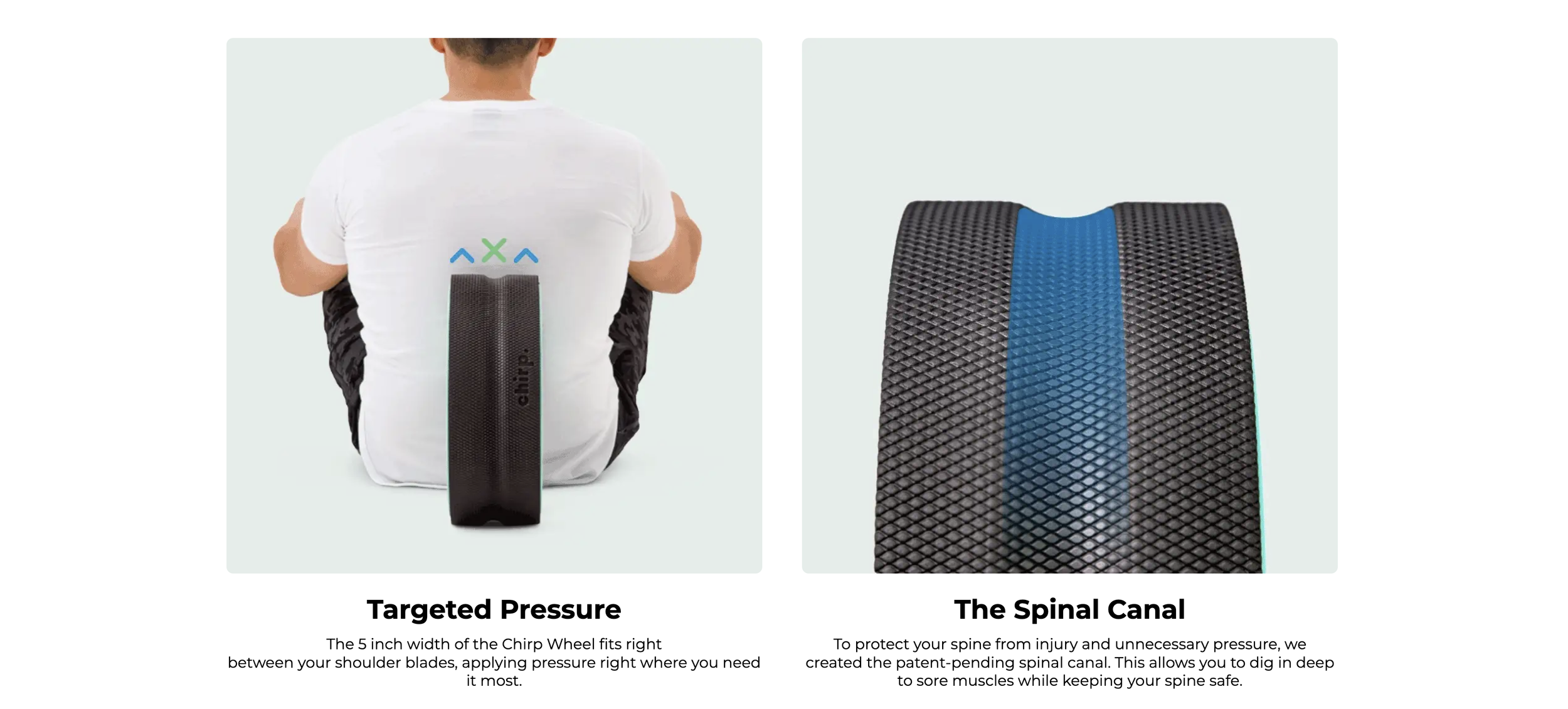
Chirp Wheels is a great example of showcasing how it works, how easy it is, and what relief feels like. You can practically feel your back loosening just scrolling the page. That’s not a feature list, that’s future-casting.
Somewhat related—I bought a set of these things. They really are fantastic.
feel the quality through the screen
Peak designs does a fantastic job of showing the detail behind their products in a way that resonates. Attention to detail IS their business. In a commodotized industry with 1,000 copycats selling on Amazon, attention to detail in design sets them apart.
On their PDPs, Peak showcases detail in every design feature through a lovely combination of high-quality product video, lifestyle imagery and product descriptions.
They also created this semi-famous ad going after those Amazon copycats. Chef's kiss.
humanity, not perfection
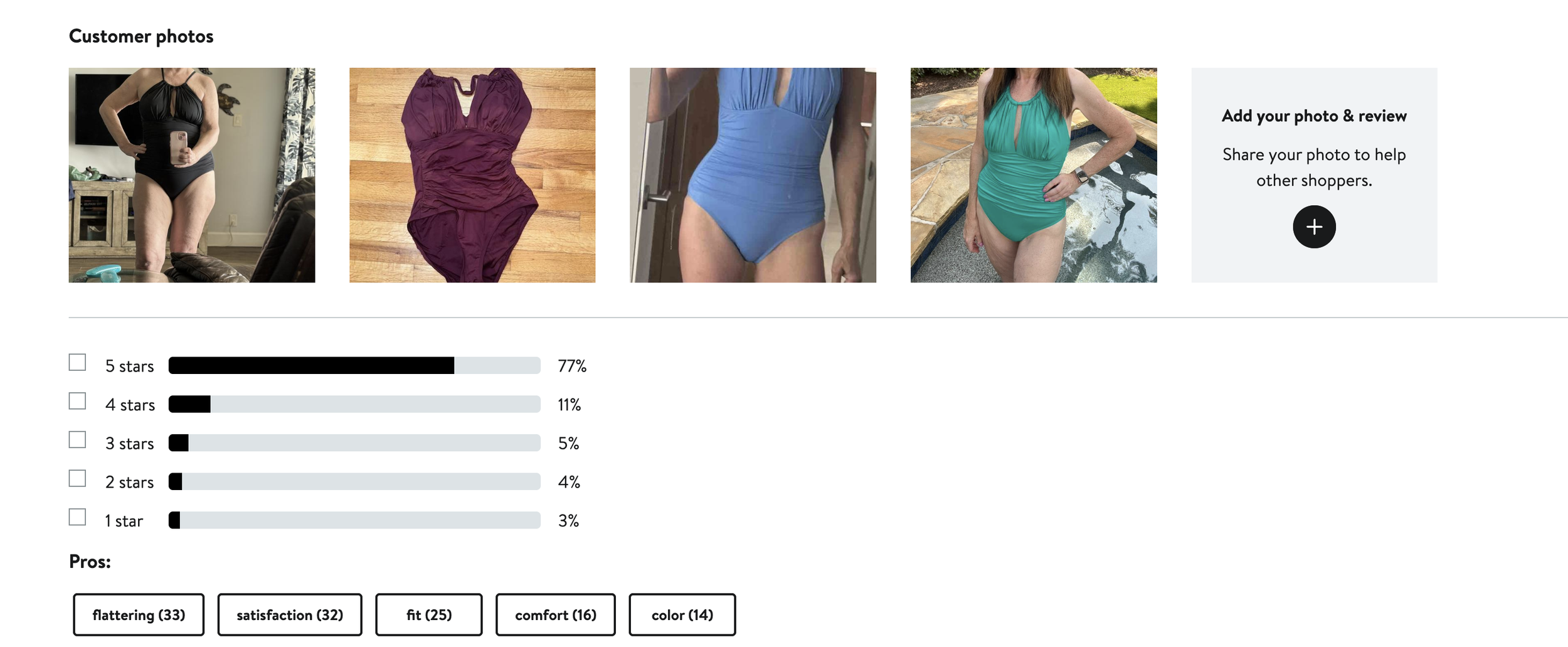
My wife refuses to buy clothes online without user-submitted photos. Not models. Not studio lighting. Real humans with real bodies and honest feedback. Sometimes the decision paralysis annoys me … :), but she’s not alone.
Authentic customer images remove doubt faster than any countdown clock ever could. They say: people like you bought this, used it, and didn’t regret it. That’s trust. And trust converts.
Nordstrom has picked up on this desire for UGC at the product level—I’d be curious to see their data on conversion for products with/without customer images.
Pdp as a brand reinforcer, not a final checkbox
The customer journey is messier than ever.
Shoppers don’t politely enter through your homepage, read your brand manifesto, then glide into a PDP fully informed. Sometimes they land straight onto a product page with little context.
If your PDP can’t explain why your brand matters and why this product exists, your shoppers will go searching for their “Why to Buy.” Sending your shoppers backwards to find those answers is the quickest way to push them to the next competitor.
Looking for help building and translating your story? Give us a shout.